


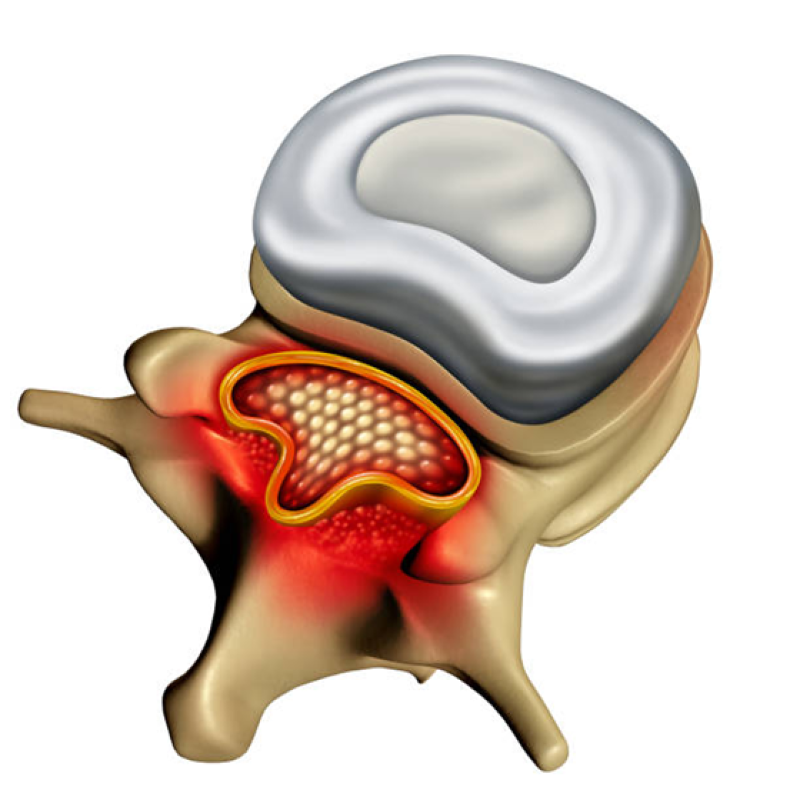
What is Cervical Stenosis?
Cervical stenosis refers to the narrowing of the spinal canal in the neck region, which can compress the spinal cord or nerve roots. This condition often leads to symptoms such as neck pain, numbness, tingling, weakness in the arms or legs, and sometimes difficulty with balance or coordination. At Urban Sports & Physio Centre, we offer effective physiotherapy solutions to manage cervical stenosis and enhance your quality of life.
Causes of Cervical Radiculopathy
- Degenerative Changes
- Age-related wear and tear, such as osteoarthritis or degenerative disc disease, can reduce the space within the spinal canal.
- Herniated Discs
- Bulging or ruptured discs can protrude into the spinal canal, causing compression.
- Bone Spurs (Osteophytes)
- Bony growths develop as a response to joint degeneration, narrowing the spinal canal.
- Thickened Ligaments
- Over time, the ligaments within the spine may thicken, encroaching on the spinal canal.
- Trauma or Injury
- Injuries to the cervical spine may lead to structural changes or instability.
- Congenital Stenosis
- Some individuals are born with a narrower spinal canal, predisposing them to stenosis.
- Rheumatoid Arthritis
- Inflammatory conditions can cause joint swelling and bone changes, narrowing the spinal canal.
Physiotherapy Management at Urban Sports & Physio Centre
Our physiotherapy program focuses on relieving symptoms, improving mobility, and preventing the progression of cervical stenosis.
- Detailed Assessment
- Comprehensive evaluation to understand the extent of the condition and its impact on daily activities.
- Pain Management
- Manual Therapy: Gentle mobilization techniques to improve neck mobility and reduce pain.
- Electrotherapy: Modalities such as TENS or ultrasound to manage inflammation and discomfort.
- Postural Training
- Education on maintaining proper posture to reduce strain on the cervical spine.
- Ergonomic adjustments for workstations and daily routines.
- Therapeutic Exercises
- Strengthening exercises to build neck, shoulder, and upper back muscles for better spinal support.
- Flexibility exercises to alleviate stiffness and improve range of motion.
- Traction Therapy
- Non-invasive spinal traction to reduce pressure on the spinal cord and nerves.
- Balance and Coordination Training
- Exercises to improve balance and coordination, especially if the spinal cord is affected.
- Lifestyle Advice
- Strategies to modify daily activities and prevent further aggravation of the condition.
Preventing Cervical Stenosis
Preventive measures can significantly reduce the risk of cervical stenosis and its progression:
- Maintain Proper Posture
- Align your head and neck with your spine during sitting, standing, and working.
- Strengthen Core and Neck Muscles
- Engage in regular strengthening exercises to support the cervical spine.
- Avoid Repetitive Strain
- Limit repetitive neck movements and practice safe lifting techniques.
- Ergonomic Workspaces
- Ensure your workstation is designed to promote good posture, with your screen at eye level.
- Stay Active
- Regular physical activity can keep your spine healthy and mobile.
- Manage Weight
- Maintain a healthy weight to reduce stress on your spine.
- Early Intervention
- Address neck pain or stiffness promptly to prevent the progression of underlying conditions.


