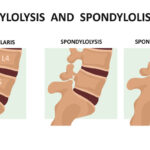
What is Fracture?
A back fracture is a break or crack in one of the bones in the spine, usually the vertebrae. It can be caused by an injury or a medical condition that weakens the bones.
Causes:
- Trauma or Injury: A fall, car accident, or sports injury can cause a fracture in the spine.
- Osteoporosis: Weak bones due to osteoporosis are more likely to fracture even with minor stress or falls.
- Tumors: Cancer or tumors in the spine can weaken the vertebrae, making them more prone to fractures.
- Repetitive Stress: Activities that involve repetitive movements or heavy lifting can put stress on the spine and lead to fractures.
- Age: As we age, the bones in the spine become weaker and more brittle, increasing the risk of fractures.
Symptoms:
- Back Pain: Sudden, severe pain in the back, especially after an injury, is the most common symptom.
- Limited Movement: Difficulty bending, twisting, or standing due to pain and stiffness.
- Swelling or Bruising: Visible swelling or bruising around the affected area of the spine.
- Numbness or Weakness: If the fracture affects nerves, there may be numbness, tingling, or weakness in the legs or arms.
- Deformity: In severe cases, the spine may appear misshapen or out of alignment.
Treatment:
- Rest: Resting and avoiding activities that strain the back can help the fracture heal.
- Pain Relief: Over-the-counter pain medications like ibuprofen or acetaminophen can help reduce pain and inflammation.
- Bracing: A back brace may be used to support the spine and limit movement while the fracture heals.
- Physical Therapy: Once healed, physical therapy may help strengthen the muscles around the spine and improve mobility.
- Surgery: In severe fractures, surgery may be required to stabilize the spine, such as using rods or screws to hold the vertebrae in place.
Prevention:
- Maintain Bone Health: Eating a diet rich in calcium and vitamin D, along with weight-bearing exercises, can help keep bones strong.
- Exercise Regularly: Strengthening your core and back muscles can provide better support for the spine.
- Avoid Falls: Take precautions to avoid falling, such as using handrails, wearing supportive shoes, and keeping the home free of hazards.
- Use Proper Lifting Techniques: When lifting heavy objects, bend your knees and keep your back straight to avoid strain.
- Regular Check-ups: If you have conditions like osteoporosis, regular check-ups can help monitor bone health and reduce fracture risk.
Disclaimer: This website content is for informational purposes only and is not a substitute for professional medical advice. If you have concerns about your posture or experience persistent pain, consult with a qualified healthcare provider.