


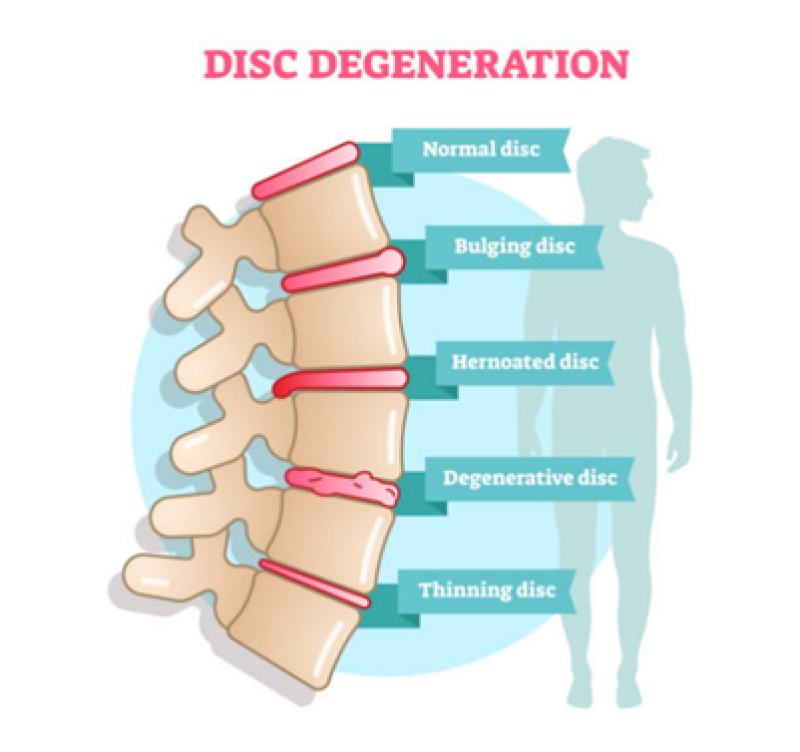
What is Cervical Degenerative Disc Disease?
Cervical degenerative disc disease (DDD) is a condition where the intervertebral discs in the neck deteriorate over time, leading to pain, stiffness, and reduced neck mobility. While part of the natural aging process, this condition can significantly impact daily life if not properly managed. At Urban Sports & Physio Centre, we provide evidence-based physiotherapy solutions to help patients alleviate pain and regain function.
Causes of Cervical Degenerative Disc Disease
- Aging Process
- Over time, spinal discs lose hydration and elasticity, becoming less effective as shock absorbers.
- Wear and Tear
- Repetitive stress from daily activities or poor posture accelerates disc degeneration.
- Injuries or Trauma
- Past neck injuries or whiplash incidents can damage discs and lead to degeneration.
- Genetics
- A family history of spinal issues may predispose individuals to cervical DDD.
- Smoking
- Smoking reduces blood supply to the discs, impairing their ability to repair and maintain structure.
- Poor Posture
- Habitual slouching or improper neck positioning, especially during computer or phone use, can strain cervical discs.
- Occupational Stress
- Jobs involving repetitive neck motions or prolonged static postures can contribute to disc wear.
Physiotherapy Management at Urban Sports & Physio Centre
Our tailored physiotherapy programs focus on reducing symptoms, improving mobility, and preventing further degeneration.
- Comprehensive Assessment
- Thorough evaluation of posture, movement patterns, and pain triggers to design a customized treatment plan.
- Pain Management
- Manual Therapy: Techniques to reduce stiffness and improve neck mobility.
- Electrotherapy: Use of modalities like ultrasound or TENS to alleviate pain and inflammation.
- Postural Training
- Education on proper posture to minimize stress on the cervical spine.
- Targeted Exercise Programs
- Strengthening Exercises: Focus on neck and upper back muscles for better support.
- Stretching Exercises: Relieve tension and improve flexibility in surrounding muscles.
- Low-Impact Aerobic Exercises: Promote overall spinal health and reduce stiffness.
- Traction Therapy
- Non-surgical spinal decompression to relieve pressure on affected discs.
- Ergonomic Advice
- Adjustments to workstations and daily activities to reduce neck strain.
- Lifestyle Modifications
- Education on safe movement practices to avoid exacerbating symptoms.
Prevention of Cervical Degenerative Disc Disease
Taking proactive steps can help reduce the risk of cervical DDD or slow its progression:
- Maintain Good Posture
- Keep your head aligned with your spine during activities such as sitting, standing, or using devices.
- Engage in Regular Exercise
- Strengthen neck and upper back muscles to provide better spinal support.
- Avoid Smoking
- Smoking cessation improves blood flow and supports disc health.
- Use Proper Neck Support
- Ensure your pillow supports the natural curve of your neck during sleep.
- Stay Active
- Incorporate activities that promote flexibility and spinal mobility into your routine.
- Limit Repetitive Neck Strain
- Take breaks during prolonged computer use or other activities requiring neck flexion.
- Hydration and Nutrition
- Staying hydrated and maintaining a balanced diet supports disc health.


