What is Cervical Spondylosis?
Cervical spondylosis, also known as neck arthritis or cervical osteoarthritis, is a condition caused by the wear and tear of the cervical spine’s discs and joints. This degeneration can lead to pain, stiffness, and neurological symptoms if nerves are affected. At Urban Sports & Physio Centre, we offer tailored physiotherapy solutions to manage cervical spondylosis effectively and help you lead a pain-free life.
Causes of Cervical Spondylosis
- Aging
- The most common cause, as spinal discs lose hydration and elasticity with age
- Repetitive Stress
- Frequent neck movements or strain due to occupational or recreational activities.
- Herniated Discs
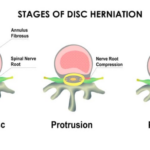
- Disc degeneration may result in bulging or ruptured discs, putting pressure on nerves.
- Bone Spurs
- Extra bone growth develops to stabilize the spine but can press on nerves.
- Poor Posture
- Prolonged use of smartphones or computers can strain the cervical spine.
- Injury or Trauma
- Previous neck injuries can accelerate degenerative changes.
- Genetics
- A family history of neck arthritis may increase susceptibility.
- Smoking
- Reduces blood flow to spinal tissues, impairing their health and recovery.
Physiotherapy Management at Urban Sports & Physio Centre
Our physiotherapy programs focus on alleviating symptoms, improving neck mobility, and preventing further degeneration.
- Initial Assessment
- Comprehensive evaluation of posture, range of motion, and symptom triggers to design a personalized treatment plan.
- Pain Relief Techniques
- Manual Therapy: Gentle mobilizations to reduce stiffness and improve mobility.
- Modalities: Use of heat, cold therapy, or TENS to manage pain and inflammation.
- Exercise Prescription
- Strengthening Exercises: Focus on neck, shoulder, and upper back muscles to provide better spinal support.
- Stretching Exercises: Alleviate muscle tension and improve flexibility.
- Core Strengthening: Enhance overall posture and spinal stability.
- Postural Training
- Education on maintaining proper alignment during daily activities.
- Traction Therapy
- Non-invasive decompression to relieve pressure on affected nerves.
- Ergonomic Advice
- Recommendations to optimize workstations and reduce strain on the cervical spine.
- Lifestyle Modifications
- Guidance on managing stress, improving sleep posture, and avoiding activities that aggravate symptoms.
Prevention of Cervical Spondylosis
Proactive measures can help reduce the risk of cervical spondylosis or slow its progression:
- Maintain Proper Posture
- Keep your head aligned with your spine when sitting, standing, or using devices.
- Incorporate Regular Exercise
- Engage in activities that promote flexibility, strength, and spinal stability.
- Avoid Prolonged Neck Strain
- Take frequent breaks during activities requiring neck flexion, such as computer work.
- Use Supportive Equipment
- Opt for an ergonomically designed chair, desk, and pillow to support your neck and back.
- Stay Active
- Low-impact activities such as swimming or walking can help maintain spine health.
- Quit Smoking
- Improve blood flow to spinal tissues and slow degenerative changes.
- Healthy Diet and Hydration
- Ensure proper nutrition and hydration to support spinal disc health.