What is Sacroiliac Joint Dysfunction?
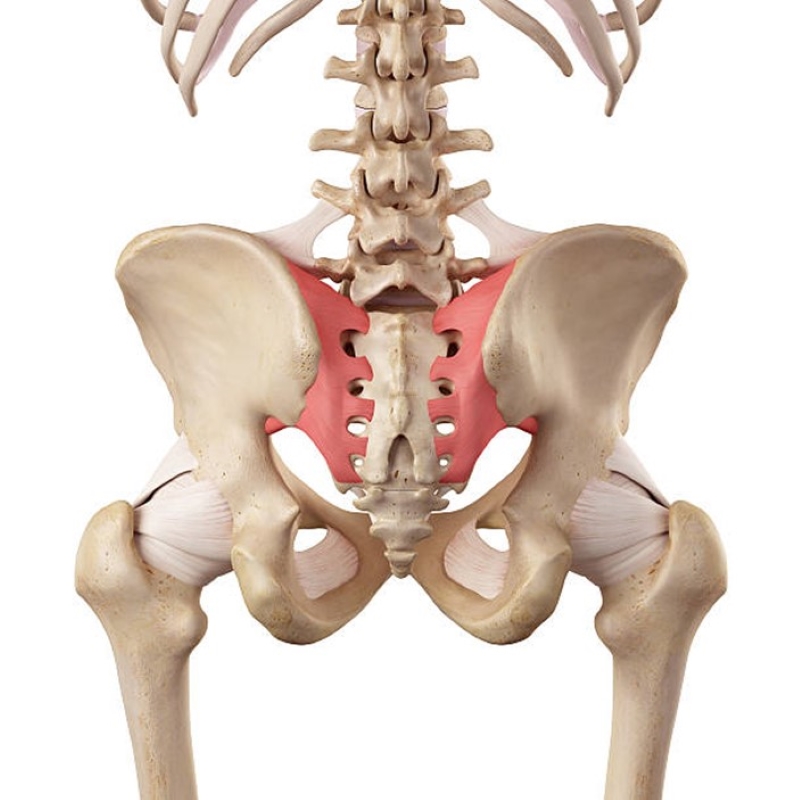
Sacroiliac Joint Dysfunction (SI Joint Dysfunction) is a condition where the sacroiliac joints, which are located at the bottom of the spine and connect the sacrum (the base of the spine) to the pelvis, don’t work properly, causing pain and discomfort.
Causes:
- Injury or Trauma: A fall, car accident, or any sudden impact can damage the SI joints.
- Pregnancy: Hormonal changes and increased weight during pregnancy can lead to SI joint dysfunction as the joints become more relaxed.
- Arthritis: Conditions like osteoarthritis can affect the SI joints, causing pain and inflammation.
- Uneven Leg Length: If one leg is longer than the other, it can put uneven pressure on the SI joints and lead to dysfunction.
- Repetitive Stress: Activities involving repetitive movements, like heavy lifting or twisting, can strain the SI joints.
Symptoms:
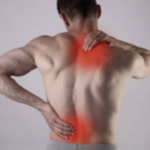
- Lower Back Pain: Pain in the lower back, often on one side, near the hips or buttocks.
- Pain in the Pelvic Area: Pain or tenderness in the pelvic region or groin area.
- Leg Pain: Pain that radiates down the leg, especially when standing or walking.
- Stiffness: Difficulty moving or bending due to pain and stiffness in the lower back and hips.
- Pain with Certain Movements: Activities like bending, twisting, or standing for long periods can worsen the pain.
Treatment:
- Physical Therapy: Exercises to strengthen the muscles around the pelvis and lower back, improving stability and reducing pain.
- Pain Relievers: Over-the-counter medications like ibuprofen can reduce pain and inflammation.
- Heat or Cold Therapy: Applying heat or ice to the affected area can help ease pain and inflammation.
- Injections: Corticosteroid injections into the SI joint can provide relief from inflammation and pain.
- Bracing: A pelvic belt or brace may help support the area and reduce strain on the SI joint.
- Surgery: In rare cases, if other treatments don’t work, surgery may be needed to stabilize the joint.
Prevention:
- Exercise Regularly: Strengthen the muscles in the back, core, and hips to support the pelvis and reduce strain on the SI joints.
- Maintain Good Posture: Proper posture helps reduce stress on the spine and SI joints.
- Lift Properly: When lifting heavy objects, use your legs, not your back, and avoid twisting motions.
- Wear Supportive Shoes: Proper footwear can help maintain balance and reduce strain on the SI joints.
- Avoid Repetitive Stress: Take breaks and avoid activities that put constant strain on the SI joint, such as heavy lifting or twisting.
Disclaimer: This website content is for informational purposes only and is not a substitute for professional medical advice. If you have concerns about your posture or experience persistent pain, consult with a qualified healthcare provider.