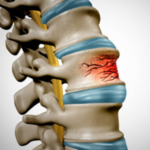
What is Whiplash?
Whiplash is an injury to the neck caused by a sudden jerking motion, typically from a car accident, where the head moves forward and then quickly backward (or vice versa), straining the muscles and ligaments in the neck.
Causes:
- Car Accidents: The most common cause of whiplash is a rear-end collision where the car is hit from behind.
- Sports Injuries: High-impact sports like football or boxing can cause sudden jerks to the neck.
- Falls: Falling and landing on your head or neck can cause whiplash.
- Physical Abuse: Shaking the head violently or being hit can cause whiplash-like injuries.
- Other Accidents: Accidents like bike crashes or amusement park rides with sudden stops can also cause whiplash.
Symptoms:
- Neck Pain: The most common symptom is pain or stiffness in the neck, which may worsen with movement.
- Headaches: Many people experience headaches, often starting at the base of the skull and radiating to the forehead.
- Shoulder or Back Pain: Pain may extend to the shoulders or upper back.
- Dizziness: Feeling lightheaded or dizzy may occur with whiplash.
- Numbness or Tingling: Some people experience numbness or tingling in their arms or hands.
- Muscle Spasms: The muscles in the neck may tighten, causing spasms and stiffness.
Treatment:
- Rest: Resting and avoiding activities that strain the neck can help reduce pain.
- Pain Relievers: Over-the-counter medications like ibuprofen or acetaminophen can help reduce pain and inflammation.
- Ice or Heat Therapy: Applying ice during the first 24-48 hours helps reduce swelling, while heat may help relax muscles later on.
- Physical Therapy: Gentle stretching and strengthening exercises can improve neck movement and reduce pain over time.
- Massage Therapy: Massaging the neck muscles may help relax them and reduce pain.
- Braces or Collars: In some cases, a soft collar may be recommended to support the neck and limit movement during recovery.
Prevention:
- Proper Seat Position: When driving, make sure your headrest is properly aligned to reduce the risk of whiplash in case of a rear-end collision.
- Wear a Seatbelt: Always wear a seatbelt, as it reduces the risk of serious injury during an accident.
- Strengthen Neck Muscles: Regular neck exercises can help strengthen the muscles and reduce the risk of injury.
- Use Headgear in Sports: In contact sports, wear protective gear like helmets to reduce the risk of whiplash injuries.
- Avoid Sudden Movements: Avoid sudden, jerky movements of the neck and maintain good posture.
Disclaimer: This website content is for informational purposes only and is not a substitute for professional medical advice. If you have concerns about your posture or experience persistent pain, consult with a qualified healthcare provider.