What is Muscle Spasm?
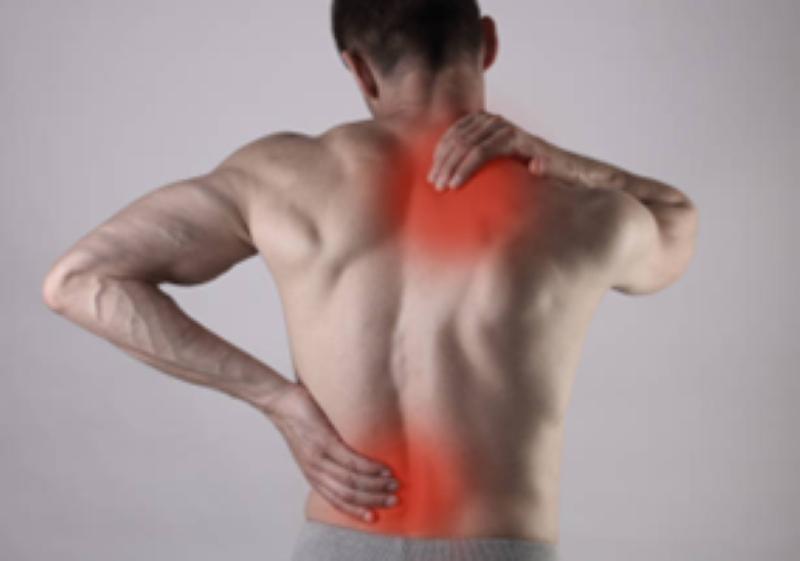
Back Muscle Spasm is a sudden, involuntary contraction of the muscles in your back, which can cause sharp pain and discomfort. It’s a common problem that can affect anyone at any age.
Causes:
- Muscle Strain: Overusing or overstretching the muscles in your back can lead to spasms.
- Poor Posture: Sitting or standing in awkward positions for long periods can strain your back muscles.
- Injury: A fall, lifting something too heavy, or sudden movements can injure the muscles and trigger spasms.
- Stress: Emotional stress can lead to muscle tension, increasing the likelihood of spasms.
- Dehydration or Electrolyte Imbalance: Lack of fluids or important minerals like potassium and calcium can cause muscle cramps or spasms.
Symptoms:
- Sharp or Intense Pain: The pain from a muscle spasm is sudden and sharp, often felt in the lower or upper back.
- Stiffness: Difficulty moving or bending due to the muscle tightness.
- Muscle Tightness: The affected muscle feels hard or tight, and you may notice a knot.
- Pain that Worsens with Movement: Spasms can get worse when you try to move, bend, or twist your back.
Treatment:
- Rest: Take a break from activities that strain your back, but avoid lying in bed for too long.
- Heat or Cold Therapy: Applying ice to reduce inflammation or heat to relax the muscle can help relieve pain.
- Pain Relievers: Over-the-counter medications like ibuprofen or acetaminophen can help manage pain and reduce inflammation.
- Gentle Stretching: Light stretching can help relieve tension in the back muscles and improve flexibility.
- Massage: A gentle massage can help relax tight muscles and reduce spasms.
- Physical Therapy: In some cases, a physical therapist can guide you in strengthening and stretching exercises to prevent future spasms.
Prevention:
- Exercise Regularly: Strengthening your back and core muscles helps provide better support for the spine and prevent muscle strain.
- Maintain Good Posture: Sit and stand up straight to reduce unnecessary strain on your back muscles.
- Lift Properly: Use your legs, not your back, when lifting heavy objects, and avoid twisting motions.
- Stay Hydrated: Drink plenty of water and ensure you get enough electrolytes like potassium and calcium to avoid muscle cramps.
- Take Breaks: If you sit or stand for long periods, take short breaks to stretch and move around.
Disclaimer: This website content is for informational purposes only and is not a substitute for professional medical advice. If you have concerns about your posture or experience persistent pain, consult with a qualified healthcare provider.