What is Sciatica?
Sciatica is a type of pain that occurs when the sciatic nerve, which runs from the lower back down through the hips and legs, becomes irritated or compressed. It often affects only one side of the body.
Causes:
- Herniated Disc: A slipped or bulging disc in the spine can press on the sciatic nerve, causing pain.
- Spinal Stenosis: Narrowing of the spinal canal can put pressure on the nerve roots, leading to sciatica.
- Piriformis Syndrome: The piriformis muscle in the buttocks can irritate the sciatic nerve if it becomes tight or spasms.
- Degenerative Disc Disease: Age-related changes to the discs in the spine can lead to nerve compression.
- Injury: Trauma or an accident can damage the sciatic nerve or cause spinal misalignment, leading to sciatica.
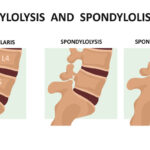
- Spondylolisthesis: A condition where one vertebra slips over another, which can pinch the sciatic nerve.
Symptoms:
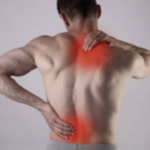
- Sharp Pain: Pain that starts in the lower back or buttocks and radiates down one leg, often to the foot or toes.
- Numbness or Tingling: Sensations of numbness, tingling, or “pins and needles” in the leg or foot.
- Muscle Weakness: Weakness in the affected leg, making it harder to move or control.
- Pain that Worsens with Movement: The pain can become worse when you cough, sneeze, sit for long periods, or bend over.
Treatment:
- Pain Relievers: Over-the-counter medications like ibuprofen or acetaminophen can help reduce pain and inflammation.
- Physical Therapy: Exercises to strengthen the back and improve posture, which can relieve pressure on the sciatic nerve.
- Hot or Cold Therapy: Applying heat or ice to the affected area can reduce inflammation and relax tight muscles.
- Steroid Injections: In severe cases, corticosteroid injections can reduce inflammation and provide pain relief.
- Surgery: If other treatments don’t work and the pain is severe, surgery may be needed to remove the herniated disc or relieve pressure on the nerve.
Prevention:
- Exercise Regularly: Strengthening your back and core muscles can help support the spine and reduce pressure on the sciatic nerve.
- Maintain Good Posture: Sit and stand with proper posture to prevent strain on the lower back.
- Lift Properly: When lifting heavy objects, use your legs, not your back, and avoid twisting your body.
- Stay Active: Avoid long periods of sitting or standing, and take breaks to move and stretch.
- Maintain a Healthy Weight: Extra weight can put added pressure on the spine and increase the risk of sciatica.
Disclaimer: This website content is for informational purposes only and is not a substitute for professional medical advice. If you have concerns about your posture or experience persistent pain, consult with a qualified healthcare provider.