What is Spondylolithesis?
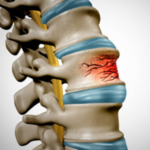
Spondylolisthesis is a condition where one vertebra in the spine slips out of its normal position and moves forward over the vertebra below it. This can lead to pain and discomfort.
Causes:
- Degeneration: As people age, the discs and joints in the spine wear down, which can cause the vertebrae to slip.
- Injury or Trauma: A fracture or injury to the spine can cause a vertebra to slip out of place.
- Congenital: Some people are born with a defect in the vertebrae that makes them more likely to experience spondylolisthesis.
- Repetitive Stress: Activities that put a lot of stress on the spine, like heavy lifting or intense sports, can contribute to the condition.
- Osteoporosis: Weak bones from osteoporosis can lead to fractures and instability in the spine.
Symptoms:
- Lower Back Pain: Pain in the lower back is the most common symptom, especially after standing or walking for long periods.
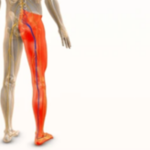
- Leg Pain: Pain, numbness, or tingling that can radiate down one or both legs.
- Stiffness: Difficulty bending or moving due to tightness in the lower back.
- Muscle Weakness: Weakness in the legs, which can make walking or standing difficult.
- Posture Changes: A forward-leaning posture, or a noticeable curve in the spine, may occur in severe cases.
Treatment:
- Physical Therapy: Exercises to strengthen the muscles around the spine and improve flexibility can help relieve pain and improve stability.
- Pain Relievers: Over-the-counter medications like ibuprofen or acetaminophen can help manage pain and reduce inflammation.
- Bracing: A back brace may be used to provide extra support and limit movement while the spine heals.
- Steroid Injections: In some cases, corticosteroid injections into the affected area can help reduce inflammation and ease pain.
- Surgery: If conservative treatments don’t work and the condition is severe, surgery may be needed to stabilize the spine, such as spinal fusion.
Prevention:
- Exercise Regularly: Strengthening your back and core muscles can provide better support for the spine and prevent strain.
- Maintain Good Posture: Proper posture reduces pressure on the spine and helps keep the vertebrae in place.
- Lift Properly: When lifting objects, use proper techniques to avoid strain on the spine.
- Stay Active: Regular movement and avoiding long periods of sitting or standing can help keep the spine flexible and healthy.
- Maintain a Healthy Weight: Extra weight can put added pressure on the spine, increasing the risk of spondylolisthesis.
Disclaimer: This website content is for informational purposes only and is not a substitute for professional medical advice. If you have concerns about your posture or experience persistent pain, consult with a qualified healthcare provider.