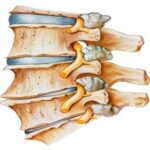
What is Ankylosing Spondylitis?
Ankylosing Spondylitis (AS) is a type of inflammatory arthritis that mainly affects the spine, causing pain, stiffness, and over time, it may lead to the bones of the spine fusing together.
Causes:
- Genetics: The main cause is often genetic. A gene called HLA-B27 is commonly found in people with AS, though not everyone with this gene will develop the condition.
- Immune System Issues: AS happens when the immune system mistakenly attacks the joints in the spine, leading to inflammation.
- Family History: If someone in your family has AS, you’re at a higher risk of developing it.
Symptoms:
- Chronic Back Pain: The pain usually starts in the lower back and can spread to the hips or neck. It is often worse in the morning or after resting.
- Stiffness: There’s often a feeling of stiffness in the lower back, especially after sitting or sleeping for long periods.
- Pain and Inflammation: The joints where the spine meets the pelvis (sacroiliac joints) can be painful and swollen.
- Reduced Flexibility: Over time, the inflammation can lead to less flexibility in the spine, making it harder to bend or move.
- Fatigue: Many people with AS feel tired or fatigued, as the body’s inflammation can drain energy.
- Other Joint Pain: AS can affect other joints, like the shoulders, knees, or ribs.
Treatment:
- Medication:
- NSAIDs: Nonsteroidal anti-inflammatory drugs (like ibuprofen) help reduce pain and swelling.
- Disease-Modifying Antirheumatic Drugs (DMARDs): These drugs can slow the progression of the disease.
- Biologic Medications: These target specific parts of the immune system and can help reduce inflammation in people with moderate to severe AS.
- Physical Therapy: Stretching and strengthening exercises can help improve posture, flexibility, and reduce stiffness.
- Heat and Cold Therapy: Applying heat or cold to the affected areas can relieve pain and inflammation.
- Pain Relief: Over-the-counter pain relievers can help manage symptoms, and in severe cases, stronger medications or injections may be used.
- Surgery: In rare cases, surgery may be needed to repair or replace damaged joints or to correct a curved spine (scoliosis).
Prevention:
There is no way to prevent ankylosing spondylitis, as it is mainly caused by genetic factors. However, managing the disease early and effectively can help prevent severe complications.
- Exercise Regularly: Regular stretching and strengthening exercises can help maintain flexibility and improve posture.
- Posture Correction: Practicing good posture can reduce the risk of spine problems.
- Smoking Cessation: Smoking can make AS symptoms worse, so quitting can help manage the condition.
- Healthy Diet: Eating a balanced diet rich in nutrients can help support joint health and reduce inflammation.
Disclaimer: This website content is for informational purposes only and is not a substitute for professional medical advice. If you have concerns about your posture or experience persistent pain, consult with a qualified healthcare provider.