What is Myofascial Pain Syndrome (MPS)?
Myofascial Pain Syndrome (MPS) is a condition where muscles hurt due to “trigger points,” which are tight, tender spots in the muscles that can cause pain, either in the muscle itself or in other areas of the body.
Causes of Myofascial Pain Syndrome (MPS):
MPS can be caused by
- Muscle Overuse: Repeatedly using a muscle too much or too intensely, like lifting heavy objects or sitting in one position for too long.
- Injury or Trauma: An accident or injury can strain muscles and lead to trigger points.
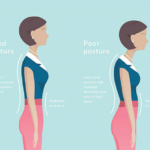
- Poor Posture: Slouching or sitting in a bad position for extended periods can cause muscle strain.
- Stress: Emotional or physical stress can tighten muscles, causing pain.
- Sedentary Lifestyle: Lack of movement or exercise can make muscles stiff and more prone to developing trigger points.
Symptoms:
Common symptoms of MPS include:
- Muscle Pain: A dull or aching pain in specific muscles, especially when touched.
- Trigger Points: Tender knots in the muscle that can cause pain in other areas (referred pain).
- Stiffness: Tightness and difficulty moving the affected muscle.
- Headaches: Pain from trigger points in the neck and shoulders can lead to tension headaches.
- Fatigue: Constant pain and muscle tension can make you feel tired and drained.
Treatment:
Treatments for MPS focus on relieving pain and relaxing muscles:
- Physical Therapy: Exercises and stretches to relieve pain and improve muscle flexibility.
- Massage: Helps relax the muscles and reduce tightness.
- Trigger Point Injections: A doctor may inject anesthetics or other treatments into trigger points to relieve pain.
- Medications: Over-the-counter pain relievers like ibuprofen, or muscle relaxants prescribed by a doctor.
- Heat and Ice: Applying heat or cold to the affected area can help reduce pain and muscle tightness.
Prevention:
To prevent MPS, consider the following:
- Exercise Regularly: Keep your muscles strong and flexible through regular physical activity.
- Good Posture: Avoid slouching and sit or stand with your back straight.
- Take Breaks: If you sit for long periods, stand up, stretch, or walk around regularly.
- Manage Stress: Practice stress-reducing techniques, like deep breathing or yoga, to prevent muscle tension.
- Proper Lifting: Use your legs to lift objects, not your back or shoulders, to avoid strain.
Disclaimer: This website content is for informational purposes only and is not a substitute for professional medical advice. If you have concerns about your posture or experience persistent pain, consult with a qualified healthcare provider.