What is Facet Joint Dysfunction?
Facet joint dysfunction refers to problems in the small joints located between the vertebrae in the spine. These joints allow movement and provide stability to the spine.
Causes:
- Aging: Over time, wear and tear can lead to degeneration of the facet joints.
- Injury: A sudden injury or trauma, like a car accident or fall, can damage the facet joints.
- Poor posture: Incorrect posture can put extra stress on the spine and lead to dysfunction.
- Repetitive movement: Repeated movements or heavy lifting can strain the facet joints.
- Arthritis: Conditions like osteoarthritis can affect the facet joints, causing pain and stiffness.
Symptoms:
- Back pain: Pain in the lower back or neck is common, often worsening with movement.
- Stiffness: Difficulty in moving the spine due to pain and tightness in the joints.
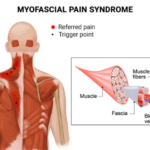
- Referred pain: Pain may radiate to nearby areas, such as the legs or arms.
- Limited range of motion: Difficulty bending or twisting the spine due to pain.
Treatment:
- Physical therapy: Exercises to strengthen muscles around the spine and improve posture.
- Medications: Pain relievers like NSAIDs (ibuprofen) to reduce pain and inflammation.
- Hot/cold therapy: Heat or ice packs to alleviate pain and inflammation.
- Injections: Corticosteroid injections to reduce inflammation in the affected joints.
- Surgery: In severe cases, surgery may be needed to remove damaged parts of the facet joint.
Prevention:
- Maintain good posture: Avoid slouching and sitting for long periods in poor positions.
- Exercise regularly: Strengthen back and core muscles to support the spine.
- Lift properly: Use correct lifting techniques to avoid strain on the spine.
- Maintain a healthy weight: Excess weight puts added pressure on the spine and joints.
- Avoid repetitive strain: Take breaks if doing repetitive tasks to prevent overuse injuries.
Disclaimer: This website content is for informational purposes only and is not a substitute for professional medical advice. If you have concerns about your posture or experience persistent pain, consult with a qualified healthcare provider.