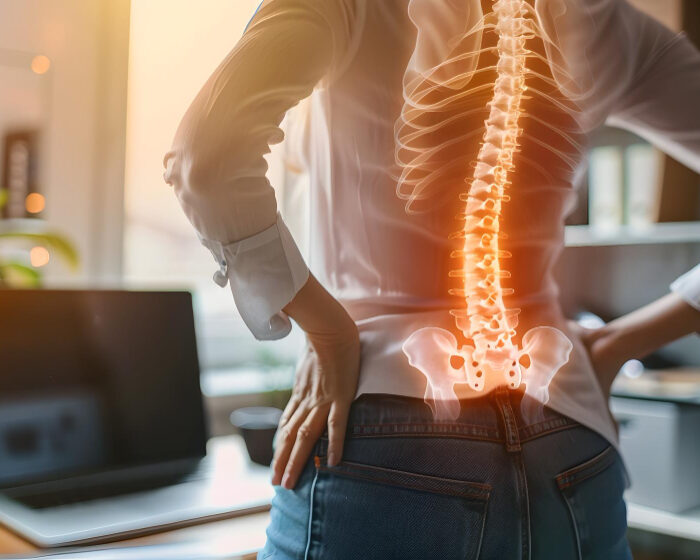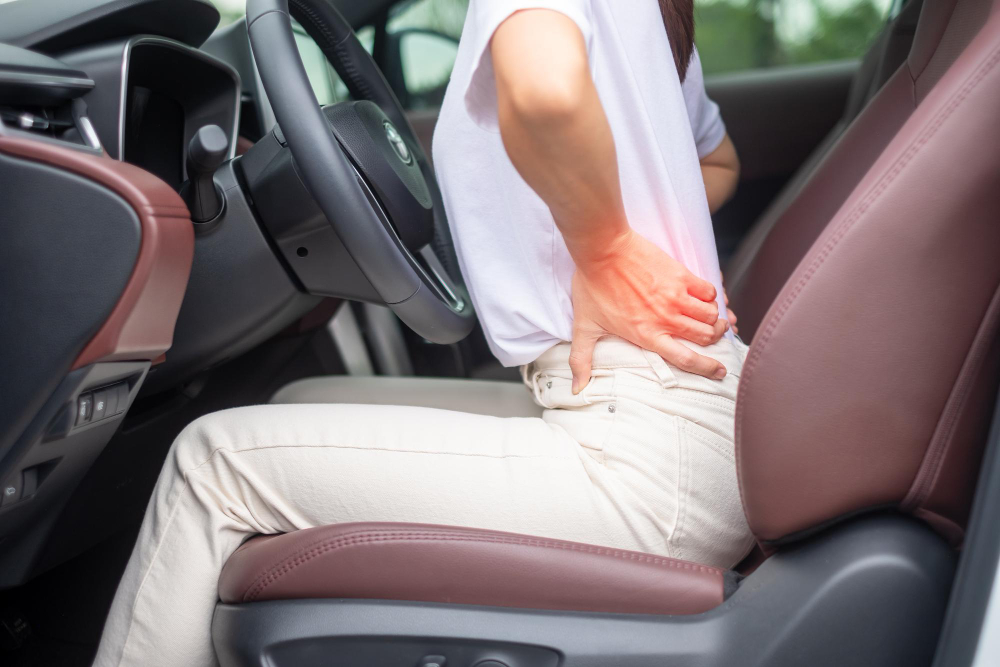
If you regularly commute across the Causeway or spend hours navigating the bumper-to-bumper crawl along the Tebrau Highway, you already know the unique physical toll it takes.
It starts with a subtle shifting in your seat. By the time you finally park your car, step out, and try to stand upright, your lower back feels completely locked, stiff, and painful. You have to gingerly straighten your spine, wincing at every movement.
Sound familiar?
For thousands of drivers in Johor Bahru, long hours behind the wheel have become an unavoidable part of daily life. But living with constant driving-induced back pain shouldn’t be your normal. Let’s look at why long drives wreck havoc on your spine, what happens when you try to bend forward afterward, and how targeted physical therapy can help you reclaim a comfortable, pain-free commute.
🚗 Why Traffic Jams and Long Drives Are a Nightmare for Your Spine
Sitting in a car might feel like you are resting, but for your lower back, it is actually a high-demand posture.
- Constant Vehicle Vibrations: As you drive, micro-vibrations from the engine and road travel through your seat straight into your pelvis and lower lumbar spine. These constant vibrations fatigue the deep stabilizing muscles that keep your spine aligned.
- Asymmetrical Sitting Posture: Most car seats and driving habits encourage a slightly twisted or slouched posture. One hand rests on the steering wheel while your right foot constantly works the pedals, creating an uneven pull on your hips and lower back.
- Prolonged Static Compression: Gravity and a seated position compress the discs in your lower back continuously for hours, starving them of fluid movement and making the surrounding muscles lock up in defense.
⚡ That Sharp Stab: Why Bending Forward Suddenly Hurts Your Lower Back
Have you ever noticed how vulnerable your back feels the exact second you step out of your car and try to bend forward—perhaps to pick up your bag, tie your shoes, or grab something from the back seat?
That sudden, sharp catch happens for a couple of key reasons:
- Disc Pressure & Fluid Shift: After hours of static sitting, the soft cushions (discs) between your vertebrae are heavily compressed on one side. When you immediately bend forward, those compressed tissues struggle to transition smoothly.
- Facet Joint Locking: The small sliding joints along the back of your spine can get temporarily “stuck” or locked in place after being held in a static slouch for too long. When you try to move, they protest with a sharp, catching pain that makes you freeze.
🛠️ Specialized Physical Therapy Solutions for Drivers in Johor Bahru
When stretching at home or changing your seat cushion isn’t enough to stop the daily driving ache, professional care makes all the difference. Tailored physical therapy for drivers focuses on:
- Releasing Tight Hip Flexors and Lower Back Stabilizers: Hours of sitting shorten the front of your hips. Releasing these tissues takes the constant pulling pressure off your lower spine.
- Restoring Natural Lumbar Mobility: Gentle, hands-on joint techniques unfreeze locked spinal segments so you can bend, twist, and stand up straight without wincing.
- Movement Re-Education: Teaching your body how to engage the right core and glute muscles so you can handle long commutes without your lower back taking all the strain.
🛋️ Practical In-Car Ergonomic Tips for Daily Commuters
While professional physical therapy resets your body, these small adjustments can protect your spine during your daily JB drives:
- Adjust Your Seat Angle: Recline your seat slightly past 90 degrees (around 100 to 110 degrees) to reduce direct pressure on your lower lumbar discs.
- Add Lumbar Support: If your car seat lacks firm lower back support, use a small rolled towel or a compact cushion to maintain the natural curve of your lower spine.
- The Pelvic Tilt Reset: Every time you hit a red light, gently flatten your lower back against the seat for 5 seconds, then release, to keep circulation moving.
❓ Frequently Asked Questions (FAQs)
1. Why does my back lock up the moment I step out of the car?
Your spine and surrounding muscles adapt to the seated position during a long drive. When you suddenly stand upright, your muscles—which have been static and compressed for hours—struggle to instantly transition back to supporting your full body weight, leading to an immediate feeling of being “stuck” or locked.
2. What kind of stretches can I do right after a long drive?
As soon as you step out of the car, avoid aggressive forward bending. Instead, stand tall, gently place your hands on your lower back, and take a gentle backward lean (standing extension) 3 to 5 times. Walking slowly for a few minutes also helps reset your hip mobility.
3. Can driving really cause a slipped disc over time?
Yes. Chronic, long-term exposure to vehicle vibrations combined with poor sitting posture and heavy compression can gradually wear down spinal discs, making them much more vulnerable to bulging or nerve irritation.
4. Are physical therapy sessions for driving-related pain painful?
Not at all. Professional care is designed to relieve built-up muscle tension and free up stiff joints. The hands-on techniques feel relieving and therapeutic, helping your back feel light and loose again.
5. How many sessions will I need if my back hurts every time I commute?
It depends on how long the stiffness has been building up. Many commuters find significant relief and learn effective in-car movement habits within just a few targeted sessions.
Ready to Drive Pain-Free in JB?
Tired of wincing every time you step out of your car in Johor Bahru? Come visit Urban Sports & Rehab Centre for a comprehensive assessment and targeted physical therapy designed to get your spine feeling loose and strong again.
[Click here to book your back care and physical therapy session with our JB specialists today.]