What is Cervical Osteomyelitis?
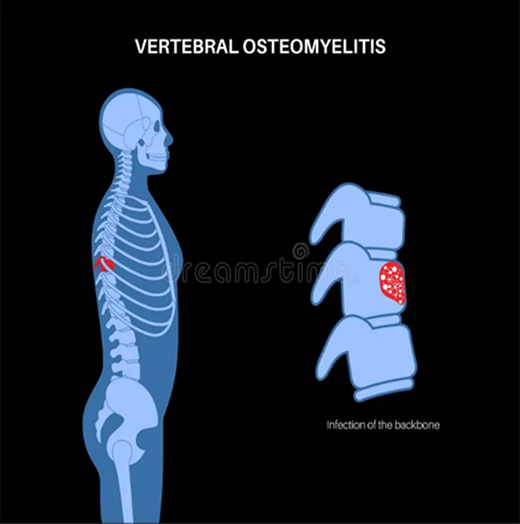
Cervical osteomyelitis is a rare infection of the cervical vertebrae, often caused by bacteria or fungi. It can result in inflammation, bone destruction, and severe complications like spinal instability or neurological deficits if untreated.
Causes and Risk Factors
- Common Causes
- Staphylococcus aureus (primary cause).
- Mycobacterium tuberculosis (spinal TB).
- Fungal or polymicrobial infections.
- Risk Factors
- Weakened immune system (e.g., diabetes, HIV).
- Recent surgeries or spinal interventions.
- Chronic illnesses like rheumatoid arthritis.
- Intravenous drug use.
Symptoms
- Persistent neck pain and stiffness.
- Fever and chills.
- Swelling or tenderness in the neck region.
- Neurological signs like numbness, tingling, or weakness in the arms.
Diagnosis and Treatment
Our physiotherapy program focuses on relieving symptoms, improving mobility, and preventing the progression of cervical stenosis.
- Imaging: MRI or CT scans to detect bone and soft tissue involvement.
- Laboratory Tests: Blood cultures, ESR, CRP, or biopsy to identify pathogens.
- Treatment:
- Antibiotics or antifungal therapy tailored to the infection.
- Surgical intervention in severe cases for debridement or stabilization.
Physiotherapy Management
Physiotherapy plays a crucial role in the recovery and rehabilitation of patients with cervical osteomyelitis, particularly after the acute infection has been controlled.
- Goals of Physiotherapy:
- Relieve pain and stiffness.
- Improve neck mobility and posture.
- Restore strength in affected muscles.
- Prevent long-term complications like deformity or instability.
- Physiotherapy Interventions:
- Acute Phase (During Infection Treatment):
- Gentle neck support using cervical collars to reduce strain.
- Pain management through modalities like TENS (Transcutaneous Electrical Nerve Stimulation) or heat therapy.
- Guided breathing exercises to enhance overall relaxation and oxygenation.
- Post-Acute Phase (Recovery):
- Range of Motion (ROM) Exercises: Gradual neck and shoulder movements to improve mobility.
- Strengthening Exercises: Target weak cervical and upper back muscles using resistance bands or light weights.
- Postural Training: Correcting forward head posture and improving ergonomics during daily activities.
- Neuromuscular Re-education: To regain coordination and balance, especially if neurological deficits were present.
- Stretching Exercises: To relieve tightness in surrounding muscles like trapezius and levator scapulae.
- Long-term Rehabilitation:
- Functional training for returning to daily activities.
- Core strengthening to support spinal alignment.
- Low-impact aerobic exercises like swimming or walking to enhance endurance.
- Acute Phase (During Infection Treatment):
- Precautions for Physiotherapy:
- Avoid aggressive movements or exercises during the acute phase.
- Monitor for signs of worsening pain, neurological symptoms, or fatigue.
- Ensure all exercises are pain-free and performed under professional guidance.
Prevention of Cervical Osteomyelitis
- Hygiene and Infection Control: Regular hand washing and wound care.
- Healthy Lifestyle: Balanced diet, regular exercise, and smoking cessation to boost immunity.
- Early Treatment of Infections: Address minor infections promptly to prevent systemic spread.
- Regular Medical Follow-ups: Especially for high-risk individuals like those with diabetes or chronic conditions.
When to Seek Medical Help?
Persistent neck pain, fever, or weakness in the limbs requires immediate medical attention to prevent complications.
Conclusion
Cervical osteomyelitis requires a multidisciplinary approach involving medical, surgical, and physiotherapy management. Early diagnosis, effective treatment, and a comprehensive rehabilitation program can significantly improve outcomes, allowing patients to regain mobility and quality of life.