


What is Scoliosis?
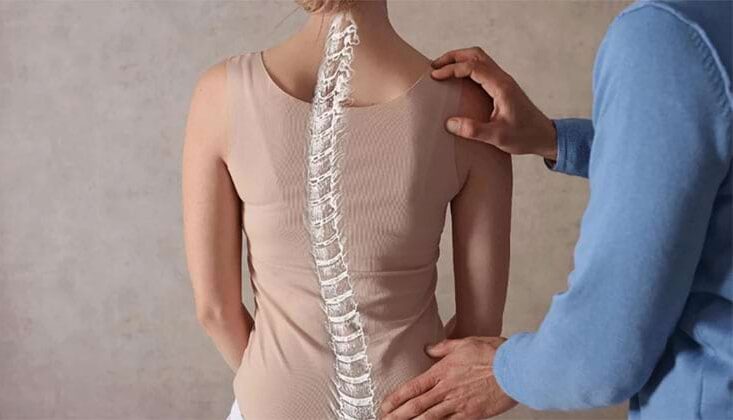
Scoliosis is a condition where the spine curves sideways, often forming an “S” or “C” shape. It can occur at any age but is most commonly seen during growth spurts in childhood or adolescence.
Causes:
- Idiopathic: Most cases of scoliosis have no known cause and are called idiopathic (meaning the cause is unknown).
- Genetics: Scoliosis can run in families, suggesting a genetic link.
- Congenital: Some people are born with abnormal spinal bones that cause scoliosis.
- Neuromuscular Conditions: Diseases like cerebral palsy or muscular dystrophy can cause scoliosis due to muscle weakness.
- Degenerative Changes: In older adults, scoliosis can develop due to degeneration of the spine’s discs or joints.
Symptoms:
- Uneven Shoulders: One shoulder may appear higher than the other.
- Uneven Hips: One hip may be higher or more prominent than the other.
- Back Pain: Some people with scoliosis experience back pain or discomfort, especially if the curve is severe.
- Leaning to One Side: The body may lean to one side to compensate for the curvature of the spine.
- Visible Curve: In severe cases, the curved spine may be visible when looking at the back.
Treatment:
- Observation: If the curve is mild and not causing problems, doctors may simply monitor it with regular check-ups.
- Bracing: For growing children with moderate scoliosis, a back brace may help prevent the curve from worsening.
- Physical Therapy: Exercises to strengthen the back muscles and improve posture can help manage mild scoliosis.
- Pain Management: Over-the-counter pain relievers like ibuprofen can help with discomfort.
- Surgery: In severe cases, surgery (like spinal fusion) may be necessary to straighten the spine and prevent the curve from getting worse.
Prevention:
- Currently, there is no known way to prevent scoliosis, especially the idiopathic kind that develops in childhood. However, early detection through regular check-ups can help catch it early before it worsens.
- Good posture: Encouraging good posture can help reduce strain on the spine and improve overall spinal health.
- Staying active: Regular exercise to strengthen back muscles may help support the spine and prevent complications.
Disclaimer: This website content is for informational purposes only and is not a substitute for professional medical advice. If you have concerns about your posture or experience persistent pain, consult with a qualified healthcare provider.


